The knockout stage is where FIFA World Cups become unforgettable. Group-stage form can build confidence, but once the tournament reaches the knockout rounds, every mistake becomes more costly and every moment of brilliance carries greater significance. The 2026 FIFA World Cup has already delivered dramatic finishes, tactical masterclasses, emotional upsets and performances that have reshaped expectations.
Several traditional favourites have lived up to their reputations, while others have fallen earlier than expected. Emerging football nations have once again shown that the gap between the world’s elite and the rest continues to narrow.
With the semi-finals now coming into view, here are the biggest lessons we’ve learned from the knockout stage so far.
1. Big Stars Still Decide Big Matches
While football is the ultimate team game, elite players continue to make the biggest difference when pressure is at its highest.
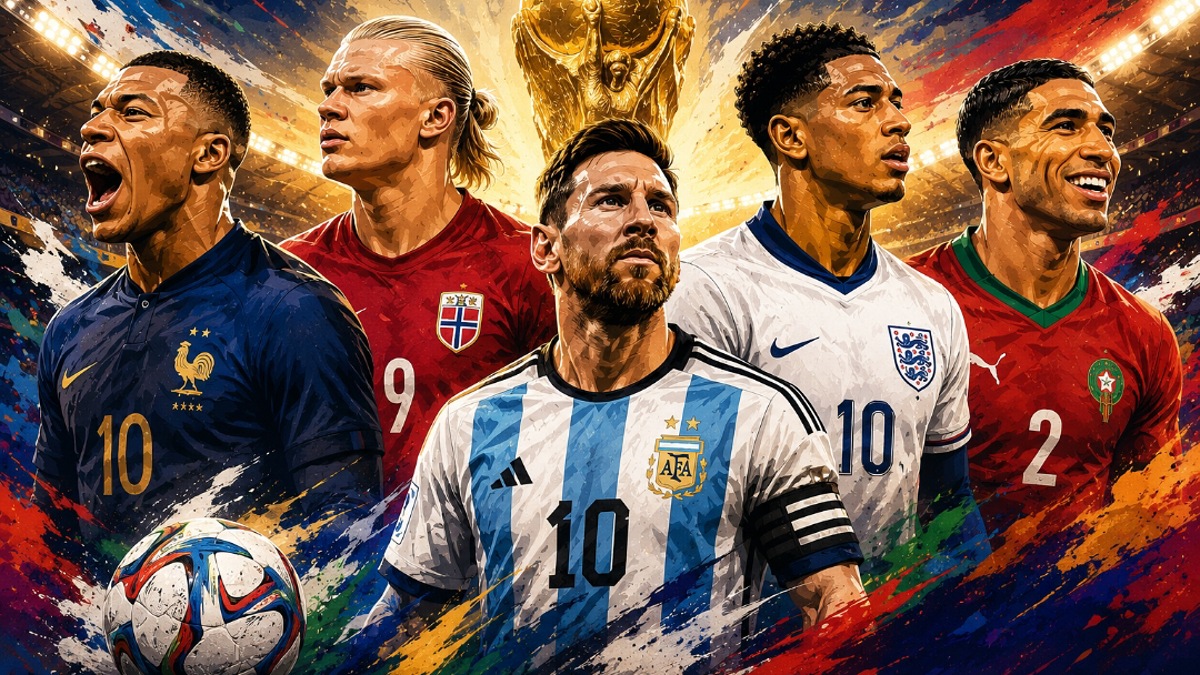
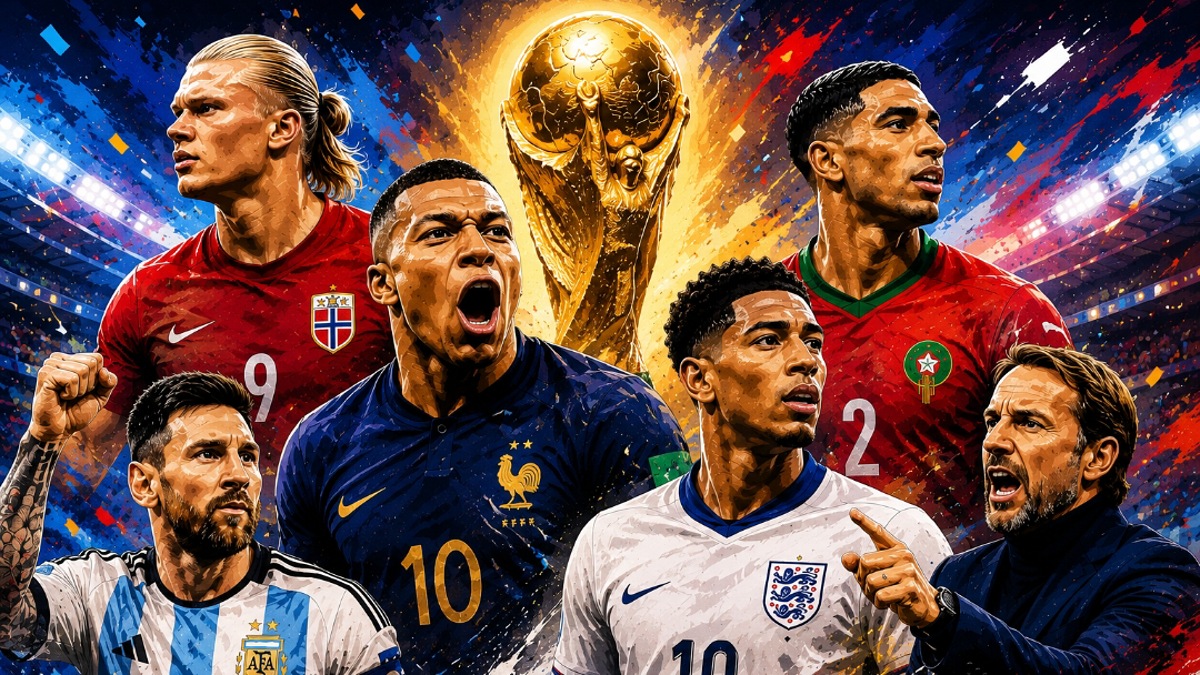
France once again demonstrated this during their quarter-final victory over Morocco. After an early penalty miss, Kylian Mbappé responded with a goal and later created another, reminding everyone why the world’s best players are often judged by how they react to adversity rather than perfection.
England have similarly relied on the leadership of Harry Kane and Jude Bellingham, while Lionel Messi continues to influence Argentina through experience, creativity and intelligent decision-making.
As the tournament progresses, expect the biggest names to become even more influential.
2. Tactical Discipline Is More Important Than Possession
Possession statistics alone no longer determine success. Several teams have shown that disciplined defending, intelligent pressing and rapid transitions can be just as effective as dominating the ball.
Morocco’s journey highlighted how organisation and teamwork can frustrate technically superior opponents. Norway have also demonstrated that compact defending combined with quick counter-attacks can produce outstanding results against stronger footballing nations.
Modern international football increasingly rewards teams that remain tactically flexible rather than those who simply control possession.
3. Full-Backs Are Becoming Playmakers
One of the clearest tactical trends at this World Cup has been the influence of attacking full-backs. Players like Achraf Hakimi have repeatedly shown how defenders now contribute almost as much in attack as they do in defence.
Rather than remaining deep, modern full-backs create width, overload midfield areas and provide additional creativity in the final third.
This tactical evolution has made defending considerably more difficult for opponents throughout the tournament.
4. Goalkeepers Continue to Shape Knockout Football
Every World Cup produces goalkeeping performances that change the course of the tournament.
Yassine Bounou’s display against France even in defeat, was another reminder of how influential elite goalkeepers have become. His penalty save and several excellent stops prevented the scoreline from becoming much heavier.
Across the knockout stage, goalkeepers have consistently produced decisive moments, whether through penalty saves, one-on-one stops or commanding performances under aerial pressure.
In tournaments where margins are incredibly small, one save can be just as valuable as one goal.
5. Team Chemistry Still Beats Individual Talent
Many of the tournament’s strongest teams have succeeded because they function as cohesive units rather than relying on individual brilliance.
France possess world-class attackers, but their defensive organisation and midfield balance have been equally important. England have combined youthful energy with experienced leadership.
Argentina continue to demonstrate excellent teamwork built around Lionel Messi’s creativity. Successful teams have consistently shown tactical balance, communication and collective discipline.
6. Young Players Are Ready for the Biggest Stage
Every World Cup introduces a new generation of stars. Jude Bellingham has continued his remarkable rise, while Pedri has controlled Spain’s midfield with maturity beyond his years.
Michael Olise has also emerged as one of France’s most exciting attacking players, demonstrating composure and creativity under immense pressure. These performances suggest international football remains in excellent hands for years to come.
7. Defensive Organisation Wins Tournaments
Exciting attacking football attracts headlines, but history repeatedly shows that strong defensive teams progress furthest.
Throughout this tournament, successful nations have maintained compact defensive structures, communicated effectively and limited clear scoring opportunities. Even teams blessed with attacking talent have relied heavily on disciplined defending during knockout football.
As the remaining matches become even tighter, defensive consistency could ultimately determine who lifts the trophy.
8. Every Match Has Become a Tactical Chess Match
The further tournaments progress, the less open football generally becomes.
Managers spend days analysing opponents, identifying weaknesses and preparing highly detailed tactical plans. Small adjustments, whether pressing triggers, defensive shapes or substitutions can completely alter a match.
The knockout stage has provided numerous examples where coaching decisions proved just as important as individual quality.
9. The Margins Between Victory and Defeat Are Tiny
Knockout football often comes down to moments.
- One missed chance.
- One defensive error.
- One brilliant save.
- One perfectly timed substitution.
Many of the tournament’s matches have remained finely balanced until the closing stages, demonstrating how evenly matched international football has become.
The smallest details now separate success from elimination.
10. The Best Football Is Still to Come
Although the knockout stage has already produced unforgettable moments, the tournament’s biggest matches remain ahead. The remaining quarter-finals promise fascinating tactical battles, while the semi-finals will feature the highest levels of pressure, quality and intensity.
History suggests that football’s most memorable World Cup moments often arrive during the final week of the competition. Fans around the world can expect more drama before the tournament concludes.
What’s the Update Right Now?
France have already secured their place in the semi-finals after defeating Morocco, while Spain, Belgium, England, Norway, Argentina and Switzerland remain locked in their own pursuit of World Cup glory. Every remaining match carries enormous significance as the race to reach the final intensifies.
Regardless of which nation eventually lifts the trophy, the knockout stage has already reinforced why the FIFA World Cup remains football’s greatest competition.
It is where tactics meet talent, pressure creates heroes, and every match has the potential to become part of football history.
What Has Impressed You Most?
Has it been the rise of underdog nations, the brilliance of football’s biggest stars or the tactical battles between elite managers?
Share your thoughts in the comments. As the tournament reaches its decisive stages, the biggest stories are still waiting to be written.